
Livetopia: Party!
Century Games PTE. LTD.Casual
4.41.29K Reviews
- Version
- 1.7.579
- Installs
- 50.00M
- Age Rating
- Everyone 10+
Screenshots
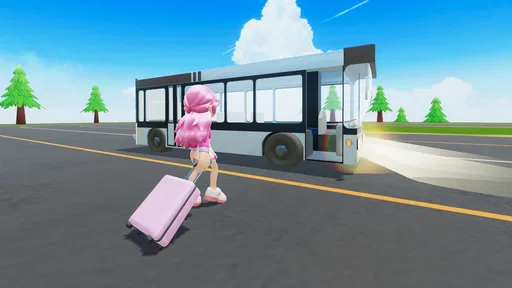
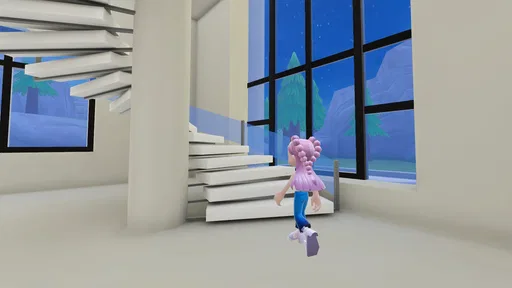
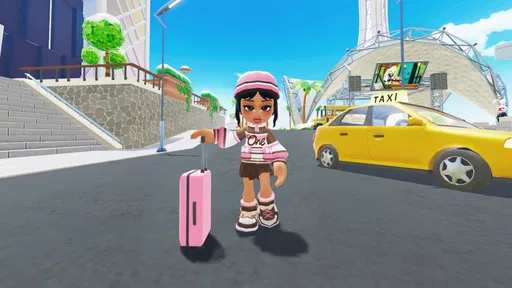
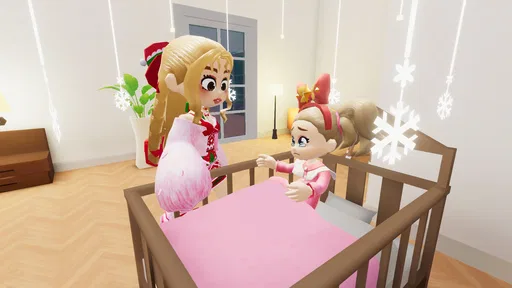
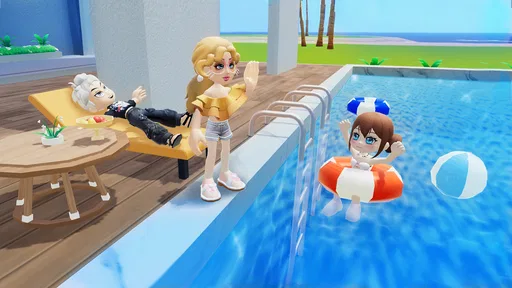
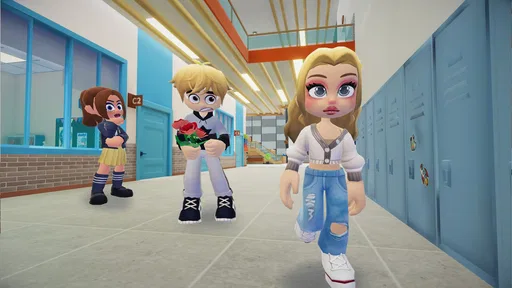
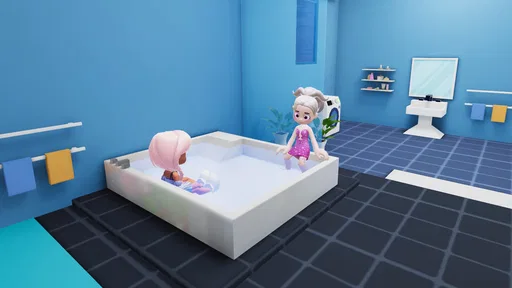
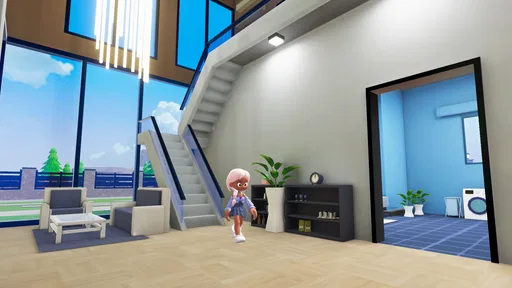
Our Review of Livetopia: Party!
 Analysis by Appyee
I spent my time with Livetopia: Party! focusing on the part that gives this casual game its identity: the freedom to build a role-play session around the kind of person I want to be. Instead of pushing me through one fixed adventure, it lets me treat the game as a social playground. I can change the mood of a session, create a small personal story, and use the world as a place to hang out rather than as a checklist of missions.
That sounds simple, but it changes how the game feels. A conventional casual title usually gives me a clear objective, a short round, or a puzzle to solve. Here, the appeal is more open-ended. The fun comes from deciding what I want the session to be, then seeing whether the available spaces and interactions support that idea. I found it easiest to enjoy when I stopped looking for a traditional win condition and treated each visit as a short improvised scene.
Century Games PTE. LTD. presents the game as a free casual experience for players aged Everyone 10+. It has reached over 50 million installs and holds a 4.4 average from around 140 thousand ratings, which suggests that the social, imaginative format has found a substantial audience. The game was released on January 20, 2024, and the current version is 1.7.579 for devices running Android 7.0 or later.
Role-play freedom is the feature that matters most
I find the role-play freedom most useful when I give it a small direction instead of expecting the game to choose one for me. A simple premise can turn exploring into a purposeful visit, while leaving room for friends to take the scene somewhere unexpected. That flexibility is the starting point; next, I’d look at how its goals and signs of progress affect the pace of a session.
Why the open-ended format works
The strongest capability here is not a single tool or one spectacular activity. It is the ability to decide what kind of experience I want before I start playing. I can approach a session as casual exploration, a social meeting, or a bit of improvised storytelling. That flexibility makes the game feel closer to a digital play space than a standard level-based mobile game.
For me, this works best when I give myself a small premise. I might imagine that I am visiting a new place, preparing for a party, or meeting friends for an afternoon. A simple idea gives the open world some direction without turning it into work. Without that personal goal, the freedom can feel vague, especially during the first few sessions when I am still learning what deserves my attention.
The important distinction is that the game does not need to be judged by the same standard as a puzzle game or a competitive action title. Its success depends on whether it helps me create a pleasant moment. If I want constant rewards, precise challenges, or a strong campaign, this is not the right kind of game. If I enjoy experimenting with identity and social situations, its relaxed structure becomes the main attraction.
How I use the freedom instead of wandering
I get more from the game when I divide a visit into three parts. First, I choose a role or mood. Second, I explore with that idea in mind. Third, I turn whatever I discover into a short activity or story. This approach prevents the experience from becoming aimless and makes even a brief session feel intentional.
A useful trick is to keep the role modest. Rather than trying to invent an elaborate character with a complicated backstory, I choose something I can act out immediately: a host, a visitor, a helper, or someone looking for a place to relax. That gives me a reason to move around and interact without demanding that every detail be perfect.
I also found that playing with another person changes the value of the same spaces. Alone, I notice the freedom to explore and set my own pace. With friends, the game becomes a shared stage, where a basic location can support jokes, pretend conversations, or a spontaneous group activity. The capability is therefore less about unlocking a hidden reward and more about giving players room to supply their own ideas.
A practical session from an ordinary day
Imagine having a short break after school or work and wanting something lighter than a competitive match. I would open the game with the plan of hosting a relaxed get-together. Instead of rushing through every available area, I would choose a place that fits the mood, invite friends into the same idea, and let the session develop naturally. One person might act as the host, another as a guest, and someone else might turn the meeting into a playful story.
The point is not that the game automatically creates a complete event for me. I still need to bring the premise and keep the group involved. That is one of the more important things to understand before downloading it. Livetopia: Party! provides the setting for casual role-play, but the quality of the session depends heavily on the imagination and patience of the people using it.
For a solo player, the same scenario can work as a short creative exercise. I can explore as if I am discovering a place for the first time, change the tone of the visit, and make a small personal narrative from the surroundings. It is less socially surprising alone, but it can still be a calm way to spend a few minutes when I do not want a demanding game.
What makes a good group session
The best group sessions start with a shared plan that is easy to understand. A theme such as “we are meeting for a celebration” works better than a detailed script because everyone can contribute. I prefer assigning loose roles rather than telling friends exactly what to do. That leaves room for unexpected jokes and avoids making the experience feel like homework.
Another practical lesson is to change activities before the group becomes bored. Open-ended games can lose energy when everyone stays in one place without a reason to move. A simple transition, such as going from meeting up to exploring together, gives the session a new purpose. This is a small habit, but it makes the game’s flexible design feel much more active.
It also helps to agree on the tone. Some players want harmless improvisation, while others may prefer quiet exploration. Because the game is designed around personal freedom, not every friend will automatically want the same kind of session. A quick agreement at the beginning prevents the most common problem with social sandbox play: one person is performing while everyone else is waiting.
The tradeoff behind that freedom
The same openness that makes the game approachable can also make it feel shallow to players who need firm progression. I sometimes wanted a clearer reason to continue after I had explored an area and tried the obvious interactions. The game is most enjoyable when I arrive with a social or creative purpose; it is less convincing when I expect it to generate all the entertainment on its own.
This is also why it may not replace a traditional casual game for everyone. If I have only a few minutes and want an immediate challenge, a puzzle or arcade title usually gives me a more satisfying loop. Livetopia: Party! asks me to participate in the creation of the fun. That is rewarding for imaginative players, but it can feel like extra effort for someone who simply wants to press play and receive a clear objective.
There is another tradeoff in the social focus. The game becomes more expressive when friends are involved, yet a group can also make the experience unpredictable. Friends may disagree about what to do, lose interest, or approach the role-play very differently. I see that as a natural limitation of a shared playground rather than a flaw unique to this title, but it is worth considering before treating it as a reliable replacement for a structured multiplayer game.
Free to start, with purchases to consider
The game is free to download, which makes it easy to try without committing money first. It includes in-app purchases ranging from $0.49 to $99.99 per item. I would approach these carefully, especially if the game is being used by a younger player. The free entry is a genuine advantage, but the presence of optional spending means it is sensible to decide in advance whether purchases belong in the experience.
My advice is to test the basic role-play loop before buying anything. If choosing a character and creating small scenarios already feels enjoyable, the core idea is doing its job. If the game feels empty without extra content, spending more is unlikely to solve the underlying mismatch. The key question is whether the player enjoys improvising, not whether every possible option is available immediately.
The Everyone 10+ rating also matters for families deciding where it fits. I would still encourage parents to look at the game together with the child and discuss social play and purchases. The age label gives a useful starting point, but the right choice depends on the child’s maturity, the way they use social features, and the household’s approach to spending inside games.
How it compares with familiar casual alternatives
Compared with a puzzle game, this title offers less instant structure and more room for self-directed play. A puzzle tells me what kind of attention to use and usually makes success easy to recognize. Livetopia: Party! is better when I want to decide the purpose of the session myself. The trade is that I have to supply more imagination and accept a less predictable sense of progress.
Compared with a competitive multiplayer game, it is gentler and less focused on winning. That can make it a better choice for a relaxed gathering where nobody wants pressure or arguments about performance. On the other hand, players seeking deep strategy, rankings, or precise skill tests will probably find a competitive alternative more satisfying.
It also differs from a conventional life simulator because the appeal is not only in managing a routine. The emphasis is on trying out identities and turning the environment into a social setting. I would choose this game over a management-focused simulator when I want to act out a moment with friends. I would choose the management alternative when I want systems, planning, and measurable long-term development.
Who gets the most from it
The ideal player is someone who enjoys making their own reason to play. Children and younger teens who like pretend play may find the flexible format inviting, while older players can enjoy it as a low-pressure social space. It is especially suitable for friends who already like inventing scenarios together rather than waiting for a game to provide every instruction.
It is also a good fit for players who want short, informal sessions. I do not need to prepare for a difficult match or remember a complicated story before returning. I can enter with a small idea, explore for a while, and stop when the moment feels complete. That makes it easier to fit around a busy day than a game that expects long uninterrupted sessions.
I would skip it if my main goal is mastery. Players who want demanding mechanics, a carefully paced campaign, or a strong reward treadmill should look toward another casual category. The game’s value comes from freedom, and freedom can feel like a lack of content when the player does not enjoy inventing activities.
I would also be cautious about recommending it to someone who dislikes social uncertainty. A friend group may make a session memorable, but it may also make the experience uneven. If I want a dependable solo loop with clear goals every time, a structured alternative will probably be a better match.
Device and spending expectations
Android users need version 7.0 or later to run the current release. That requirement covers a broad range of devices, but the actual comfort of play can still depend on the phone or tablet, available storage, and how smoothly the device handles a social game. I would install it on the device I plan to use most often and give myself enough time to see whether movement and loading feel comfortable before making it a regular group activity.
The large install base makes the game easy to recognize, but popularity should not be confused with universal appeal. A game can attract millions of players and still be wrong for someone who wants a strict objective loop. The rating and review volume provide useful reassurance that many people enjoy the concept, yet my own recommendation remains conditional: try the free experience, decide whether self-directed role-play feels natural, and only then consider spending.
My recommendation after using it
I recommend Livetopia: Party! to players who want a casual social playground rather than a conventional mission-driven game. Its central capability—letting me choose who I am and what kind of moment I want to create—has a real effect on how I play. It makes the game flexible, friendly to short sessions, and particularly enjoyable when friends are willing to participate in the same imaginary situation.
My honest reservation is that the game does not remove the need for creativity. When I arrive without a plan, the open format can feel less engaging than a puzzle, arcade game, or structured simulator. The strongest experience comes from treating the world as a stage and bringing a small idea with me. That is the deciding factor: this is a game for players who want to create the activity, not simply receive one.
As a free casual game from Century Games PTE. LTD., it is easy to test and simple to recommend to the right audience. I would start with a no-purchase session, try it alone, then invite friends if the role-play concept clicks. For imaginative players who value relaxed social play, it can become a pleasant place to return to. For anyone seeking challenge, competition, or a clearly measured path forward, another type of game will likely provide a better fit.
Verdict
Strengths of Livetopia: Party!
- Large, colorful world with plenty of locations to explore.
- Strong character customization with many outfit and style options.
- Easy-to-learn controls make it accessible for younger players.
- Regular events can add fresh activities and seasonal content.
- Social roleplay encourages creativity and cooperative play.
Limitations of Livetopia: Party!
- Some areas and items may require in-app purchases to access.
- Online interactions can expose younger players to unknown users.
- The game may feel repetitive after exploring the main locations.
- Performance can vary on older phones or weaker connections.
- Frequent notifications may encourage players to return often.
Other Releases by Century Games PTE. LTD.
View All
Whiteout Survival
Strategy4.1

Family Farm Seaside®
Casual4.2

Kingshot
Strategy4.4

Idle Mafia - Tycoon Manager
Simulation4.5
Similar Picks in This Category
View All
My Talking Angela
Outfit7 Limited4.2

My Talking Tom
Outfit7 Limited4.3

Pou
Zakeh4.2

My Talking Tom 2: Pet Game
Outfit7 Limited4.3

Candy Crush Saga
King4.6

Bridge Race
Supersonic Studios LTD4.1
Frequently Asked Questions
What is Livetopia: Party! about?
Livetopia: Party! is a social role-playing game focused on exploration, customization, and interactive activities. Players can create an avatar, choose different outfits, visit locations, decorate spaces, and participate in parties or casual events with other players. Rather than following a strict storyline, the game encourages users to create their own scenarios and enjoy open-ended social gameplay.
Is Livetopia: Party! free to download and play?
Yes, Livetopia: Party! can generally be downloaded and played for free on supported mobile devices. However, the game may include optional in-app purchases for cosmetic items, premium content, special accessories, or other enhancements. These purchases are not usually required to explore the main world, but parents should review device settings and payment controls if children will be playing.
Does Livetopia: Party! require an internet connection?
An internet connection is normally required because Livetopia: Party! is built around online social interaction and shared game spaces. Playing online allows users to meet other players, join activities, and access current content. Performance can vary depending on connection quality, and mobile data usage may increase during longer sessions, especially when using voice, chat, or busy multiplayer areas.
Is Livetopia: Party! suitable for children?
Livetopia: Party! may appeal to children and younger players because of its colorful visuals, simple controls, and creative role-playing features. Nevertheless, it is an online multiplayer experience, so users may interact with strangers through chat or other social tools. Parents should check the game’s privacy and communication settings, discuss safe online behavior, and supervise younger players when appropriate.
What devices are needed to play Livetopia: Party! smoothly?
The game requires a compatible Android or iOS device with enough free storage, an updated operating system, and a stable internet connection. Older phones or tablets may still install it but can experience longer loading times, reduced graphics quality, overheating, or occasional slowdowns in crowded areas. Closing background apps and keeping the game updated can help improve performance.
Play our best games!


